
Capital Stack
Who Sits Between: The Question That Comes Before the IRR
By DWN-team · Oct 13, 2026 Views: 29
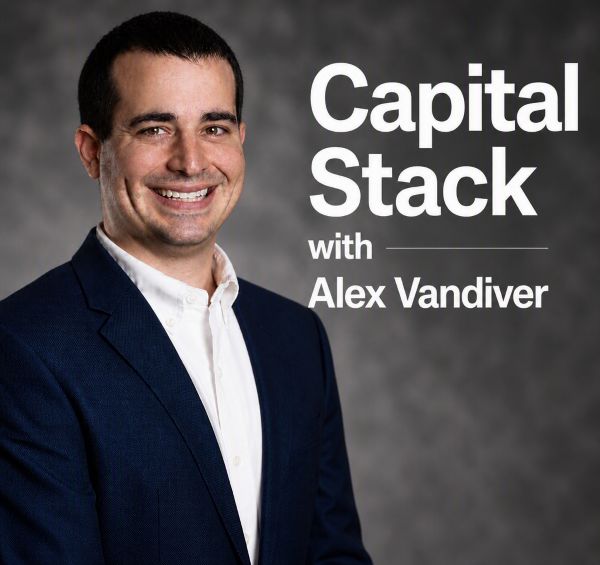
By Alex Vandiver, Associate, Entoro Capital, LLC
Three columns ago I said the scarcest thing in middle-market real estate had become capital. Then it was power for data centers, and last month it was the finished lot for housing. Every one of those gaps gets closed the same way. Somebody sits between the sponsor and the capital, finds the right money for the risk, and gets the deal done. This column is about that somebody.
It comes from something that happened in our own shop. We recently walked an experienced investor group through our active pipeline. Their first written note back wasn't about returns, markets or exit caps. It was a request to understand exactly what our relationship was to each sponsor. Contractual or not. Exclusive or not. It was the right first question, and more investors should be asking it.
Why the relationship comes before the return
A projected IRR is only as good as the chain of people who handed it to you. By the time a deal reaches a family office or a private credit desk, it's often been through several hands: the sponsor, maybe a consultant, maybe a broker, maybe a friend of a broker. Every link in that chain has its own incentive, and not all of them get paid on how the deal performs. Some get paid when it closes. Some get paid just for the introduction.
None of that makes a deal bad, but it changes how you should read the numbers. A pro forma that went straight from the sponsor to a placement agent who underwrote it is a different document than the same pro forma forwarded three times. The IRR on page one looks the same either way. What tells you which one you're holding is who sits between you and the sponsor, and on what terms.
Four questions to ask any intermediary
Who do you represent? An intermediary paid by the sponsor works for the sponsor. That's normal, and it's fine, as long as it's said out loud. The problem is the intermediary who acts like your advisor while getting paid by the other side of the table. Ask directly. A good one will answer in one sentence.
Are you actually engaged? There's a big difference between a signed engagement and knowing the guy. Ask whether there's a written agreement, whether it's exclusive, and for how long. If three different people show you the same deal in the same month, there's a good chance nobody is really engaged, and nobody is accountable for what happens after the introduction.
How are you paid? Retainer, success fee, a piece of the promote, equity in the deal. Each one pulls in a different direction. A success fee rewards closing. A promote rewards performance. A retainer rewards staying engaged. Also worth knowing: transaction-based pay on securities deals generally requires a registered broker-dealer, and you can look up anyone who claims to be one on FINRA BrokerCheck in about two minutes. If the person bringing you the deal can't tell you how they're paid or who they're registered with, that's your answer.
What did you verify, and what did you pass along? This is the one that matters most and gets asked least. Did the intermediary rebuild the model, or forward the sponsor's? Did they confirm title, entitlements, the capital stack and the sponsor's track record? Or is the diligence package the sponsor's marketing with a new cover page? "The sponsor projects" and "we underwrote" are not the same sentence. Know which one you're reading.
Why the middle market needs intermediaries anyway
None of this is an argument against intermediaries. In the part of the market this series keeps coming back to, they're close to necessary. The regional and community banks that used to carry middle-market real estate have pulled back. Sponsors doing $5 million to $50 million deals are too big for their local bank and too small for institutional funds and lenders. On the other side, the family offices and private credit funds that can fill that gap underwrite one deal at a time. They can't screen hundreds of sponsors a year, and most sponsors can't run a capital raise and a construction site at the same time.
Something has to connect those two groups, and it has to do more than make introductions. It has to source, screen, structure and stay with the deal until it closes. That's been the thread through this whole series: the refinance the bank won't write, the powered land nobody will fund, the phase one nobody wants to carry. Those earlier, smaller, riskier deals are exactly where a good intermediary earns its fee, and where a bad one does the most damage.
What good looks like
Disclosed. The relationship with the sponsor is in writing and on the table before the first deck gets opened. Role, engagement status, exclusivity and compensation, stated plainly, without anyone having to dig.
Aligned. The intermediary gets paid in a way that ties to how the deal goes, not just whether it closes. Putting its own money into the deal says more than any pitch.
Willing to say no. The most valuable thing an intermediary does is the deals it never shows you. If every deal that crosses the desk lands in your inbox, nothing is being filtered.
Still there after close. Reporting, follow-up, and a phone that still gets answered when a draw is late or a lease-up runs slow.
The bottom line
This series has been about scarce inputs. First it was credit, when the banks stepped back. Then power, when the grid couldn't keep up. Then the finished lot, when nobody wanted to carry the dirt. In the middle market there's one more sitting under all three: trust. Capital will find a good deal. What it can't easily find is a clear, verified picture of who it's dealing with and whose interests they're working for. The intermediaries who earn that trust will do well this cycle. The ones who can't answer four simple questions shouldn't be sitting between anyone.
Definitions
Intermediary: a firm or person that sits between a sponsor raising capital and the investors providing it, and helps source, structure or close the deal.
Placement agent: a registered firm engaged by a sponsor to raise capital from investors, usually paid a percentage of what is raised.
Engagement letter: the written agreement that defines what an intermediary will do for a sponsor, for how long, and how it will be paid.
Exclusivity: an agreement that only one intermediary may raise capital for a deal during a set period.
Success fee: compensation paid only when a transaction closes, usually a percentage of capital raised.
Promote: a share of profits above an agreed return, usually paid to the sponsor as a reward for performance.
FINRA BrokerCheck: a free public database for looking up the registration and disciplinary history of broker-dealers and their representatives.
Disclaimer: The views and opinions expressed in this article are those of the author and do not necessarily reflect the views of Entoro, LLC, or any of their respective affiliates. This article is provided for general informational and educational purposes only and does not constitute investment advice, a recommendation, an offer to sell, or a solicitation of an offer to buy any security, financial product, or investment strategy. The information presented is believed to be reliable but is not guaranteed as to its accuracy, completeness, or timeliness. Any forward-looking statements or opinions are subject to change without notice.
Author Bio: Alex Vandiver is an Associate at Entoro Capital, focused on business development across real estate, energy, and artificial intelligence. He brings six years of commercial real estate experience and holds an MBA from Rice University’s Jones School of Business, giving him a strong analytical foundation and industry depth in financial analysis, market evaluation, and client-facing strategy.