
Industry Briefs
The Next Era of AI-Powered Compliance is Consolidation
By DWN-team · Oct 27, 2026 Views: 54
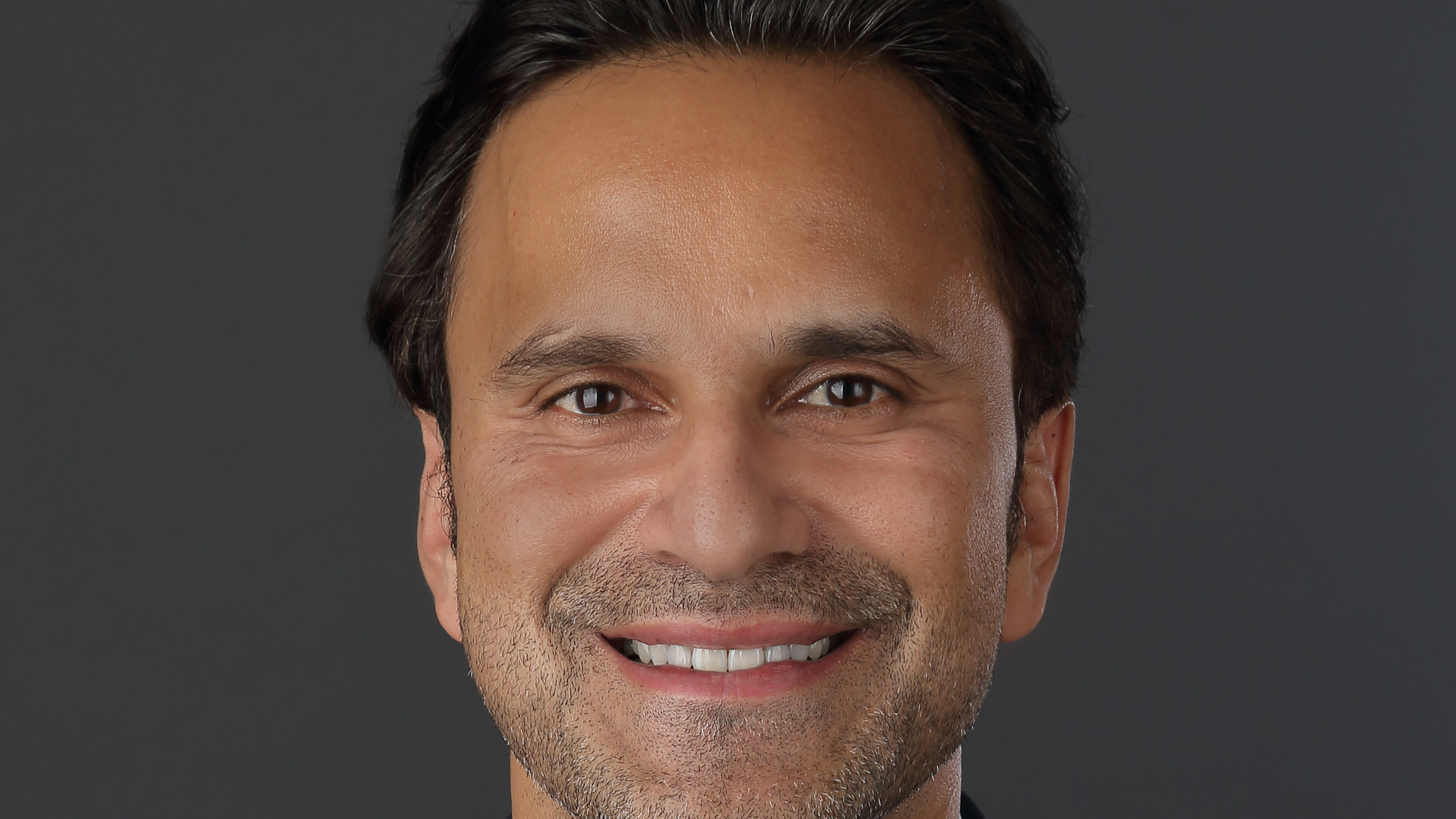
Featured image: Sid Yenamandra, Founder and CEO of SurgeOne.ai
We know that artificial intelligence is rapidly reshaping the financial services industry, but for broker-dealers and registered investment advisers, the opportunities for these game-changing technologies extend beyond simply improving efficiencies. And that can be both a blessing and a curse. As regulatory oversight grows, communications channels multiply and employees and advisors increasingly adopt generative AI tools, firms face mounting pressure to strengthen compliance, cybersecurity and data governance while keeping pace with innovation in an increasingly complex operating environment.
For Sid Yenamandra, Founder and CEO of SurgeONE.ai, the answer lies in rethinking how financial firms manage these interconnected responsibilities in the age of rapidly expanding AI use cases. Rather than relying on a patchwork of specialized vendors, Yenamandra believes firms need an integrated approach that brings compliance, cybersecurity and data operations together. That vision is driving the latest expansion of SurgeONE's AI-native platform, announced at this year's NSCP National Conference, with the introduction of Avery Actions.
The new capabilities allow Avery, SurgeONE's AI assistant, to perform tasks across its platform, helping firms coordinate and automate workflows that have traditionally required significant manual effort. The expanded platform also brings together communications archiving, text messaging, off-channel app monitoring, electronic communications supervision, vendor due diligence and AI governance. By consolidating these functions, SurgeONE aims to give firms a more complete view of their risk exposure while simplifying the process of documenting compliance activities and responding to regulatory examinations.
According to a recent firm release, the platform is designed to combine AI-driven automation with human accountability. SurgeONE's qualified experts review Avery's outputs through its Adjudicated Review process, while every action and review is recorded in a centralized, exam-ready audit trail. With firms facing growing scrutiny over off-channel communications and employee use of unapproved AI tools, this model reflects the broader industry challenge of how to harness AI's potential without compromising oversight, transparency or regulatory obligations.
Digital Wealth News spoke with Yenamandra about his firm's latest release and discussed why the traditional point-solution approach to compliance is becoming increasingly difficult to sustain, how agentic AI could change the day-to-day work of compliance and cybersecurity teams and why human expertise remains essential as automation advances. He also explores the evolving demands facing regulated financial firms and what it will take to build AI systems that deliver meaningful operational value while maintaining the controls, documentation and accountability regulators increasingly demand.
DWN: You're bringing compliance, cybersecurity, data operations and AI governance together on a single platform. Why has the industry traditionally treated these as separate functions, and what becomes possible for financial firms when they're managed together?
Yenamandra: Compliance, cybersecurity, data operations and AI governance at wealth management firms were regulated, bought and staffed separately. Rules arrived topic by topic, so each got its own owner (CCO, CISO, IT or data), its own budget and its own vendor. The result is that the same event would be recorded in four places by four different teams.
Using SurgeONE's unified platform, a firm detects an event once, reviews it once and documents it once. For example, a financial advisor pasting client data into an unapproved AI tool is a cyber event, a communications supervision event and an AI governance event. When the examiner asks about it, the firm hands over a single record rather than reconciling multiple collection points. This saves an enormous amount of time and results in a better outcome and smoother exam.
DWN: Avery Actions introduces agentic AI into highly regulated workflows, where an error can have significant consequences. How do you determine which tasks AI can execute, which require human judgment and how firms can demonstrate to regulators that the process is trustworthy?
Yenamandra: AI is great at executing work that is bounded, repeatable and reversible: collecting evidence, matching records, drafting, routing and preparing filings. Humans should decide anything that requires interpretation or carries consequences that can't be undone, such as whether conduct constitutes a violation.
Trust comes from evidence, not assurances. Every Avery Action should be scoped by the firm in advance and logged in a tamper-evident ledger with its inputs, outcome and the human who reviewed it. Firms can start using our tool in observe-and-recommend mode and then consider expanding Avery's permissions as they begin to see results.
DWN: With AI regulation scrutiny increasing, will the compliance officer's role change over the next few years, and, if so, what will distinguish successful firms?
Yenamandra: Over the coming years, I expect the CCO to spend less time on evidence collection and sampling and more time on exceptions, judgment calls and owning AI governance policy. Supervision will have to expand its scope to cover AI tools as well as people and channels.
The firms that adapt will capture communications across every channel, including AI tools. They will keep clean data and documented human review, and they will answer an exam request in hours, not weeks. The firms that fall behind will still be running on spreadsheets, manual sampling and evidence gathered after the request arrives.